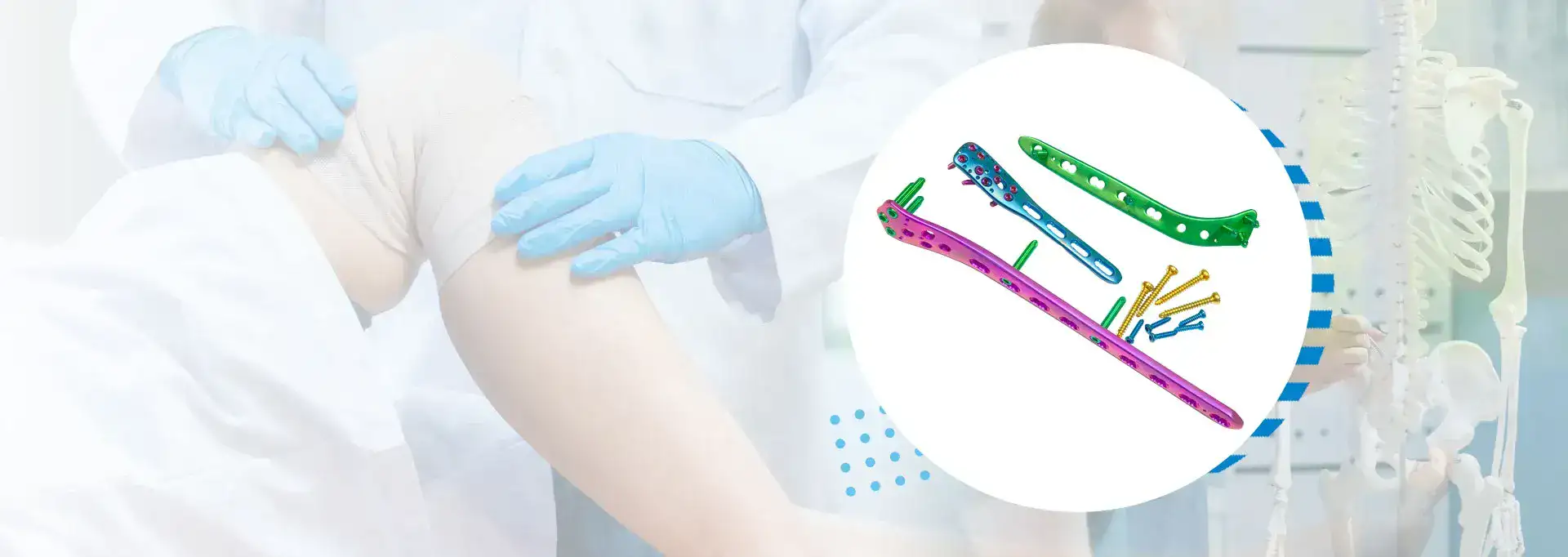
Explore technical guides, surgical updates, and medical implant developments from industry experts.
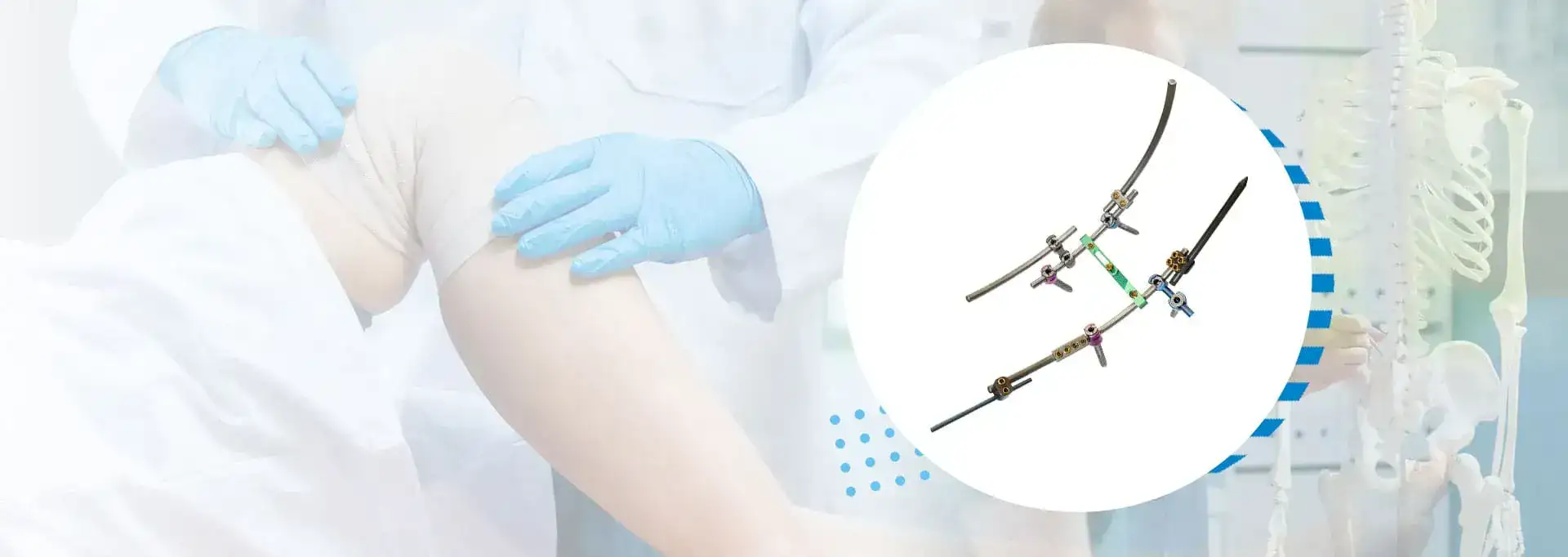
In-depth analysis of pedicle screw design, spinal fusion techniques, and clinical outcome optimization.
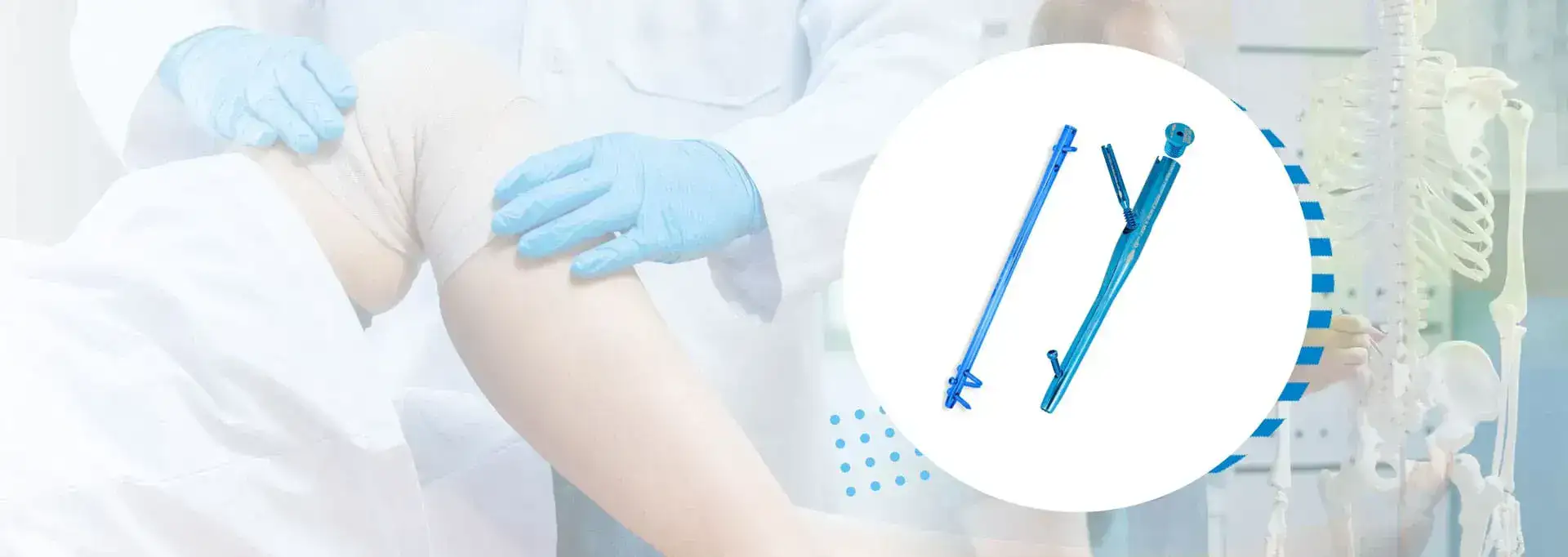
Latest updates on intramedullary nailing systems, locking plates, and fracture management protocols.
Discover expert articles, clinical technical guides, and medical device updates from GPC Medical USA.
In the world of orthopedic care, the importance of reliable orthopedic trauma implants cannot be overstated. Dr. Sarah Thompson, a leading orthopedic surgeon, once stated, "The right implants can drastically improve patient outcomes." This sentiment resonates deeply in the field, where innovation meets critical need.
Choosing the right orthopedic trauma implants is a complex task. There are numerous options available, each with unique benefits and drawbacks. Understanding these can significantly influence recovery times and overall success. Many healthcare professionals struggle with this decision, often feeling overwhelmed by the choices.
Furthermore, the landscape of orthopedic trauma implants is constantly evolving. New technologies and materials emerge, sometimes making it difficult to keep pace. Experts agree that staying updated is essential for optimal patient care. Buyers must balance cost, effectiveness, and long-term outcomes. This guide aims to illuminate key factors, helping you navigate through the essential aspects of orthopedic trauma implants.
Orthopedic trauma implants play a crucial role in modern medicine. They are used to support fractured bones and assist in healing. Understanding these implants requires knowledge of their types, materials, and applications. There are various categories of implants, including plates, screws, and rods. Each type has unique characteristics suited for different injuries. For example, locking plates offer stable fixation, which is essential for complex fractures.
The materials used in these implants also matter. Titanium and stainless steel are popular choices due to their strength and biocompatibility. However, the choice of material can affect the recovery process. Patients may experience different outcomes based on the implant used. The surgical technique is just as important. Not all surgeons have the same level of expertise. Sometimes, the selected implant may not align perfectly with anatomical structures. This can lead to complications such as misalignment or inadequate stability.
When considering orthopedic trauma implants, look for experts with a track record. Dentists typically focus more on bone healing techniques than implant types. This gap in knowledge can create confusion for patients. Understanding the implications of these implants is key. Choices should be made based on individual needs and specific contexts. Researching different implant options is valuable. Each case is unique, and there is always room for improvement in surgical practices.
When purchasing orthopedic trauma implants, several key factors should be top of mind. Quality is paramount. Look for implants made from high-grade materials that ensure durability and biocompatibility. A reliable implant can significantly enhance recovery time and overall outcomes.
Tips: Always review manufacturer certifications. Look for compliance with recognized safety standards. This can provide assurance of the product's reliability.
Evaluate the specific needs of your patients. Different fractures and injuries may require distinct types of implants. Not every solution fits all scenarios. Consulting with orthopedic experts can provide valuable insights into the most effective choices.
Tips: Inquire about the latest technological advancements in implants. These innovations can offer improved functionality and patient satisfaction. Stay informed to ensure you're making the best decisions.
When considering orthopedic trauma implants, understanding the types available is crucial. Common options include plates, screws, and rods. These implants serve various purposes depending on the injury. For example, plates stabilize fractured bones by providing a solid surface for healing. Screws are often used in conjunction with plates, adding additional stability.
Intramedullary rods are another option, especially for long bone fractures. They are inserted into the medullary canal and help align the bone as it heals. Each type of implant has its strengths and weaknesses. Some may not provide adequate support for complex fractures. Surgeons often face difficult decisions about which type to use.
The choice of implant significantly impacts recovery. Surgical experience plays a role in selecting the appropriate device. Not all products fit every patient perfectly. The anatomy of the injury must guide the decision. Understanding these factors can lead to better outcomes, making professional insight essential in the buying process.
When selecting orthopedic trauma implants, evaluating quality and safety standards is crucial. Implants must meet or exceed rigorous testing processes. These tests evaluate the biocompatibility of materials used. It's essential that the chosen implants do not provoke any adverse reactions in patients.
Certification from recognized authorities is vital. This indicates that the implants adhere to strict production standards. However, not all implants are created equal. Some may pass initial safety tests but fail in long-term use. Therefore, a detailed review of clinical outcomes is necessary.
Surgeons often refer to peer-reviewed studies when making choices. These studies provide insights into performance and failure rates. Feedback from other medical professionals can offer real-world data. It’s essential to seek implants that have demonstrated success in clinical settings. Patients deserve the best care based on well-evaluated products.
In the orthopedic implant market, navigating suppliers and pricing is crucial. According to a recent report by MarketsandMarkets, the global orthopedic implant market size was valued at $42.8 billion in 2022 and is projected to reach $51.5 billion by 2027. This growth reflects increasing demand for surgical procedures and advancements in technology. However, with numerous suppliers available, making informed decisions can be challenging.
Pricing strategies vary significantly among suppliers. An Orthopedic Research report indicates that high-quality implants often come with a higher upfront cost. Yet, they may reduce post-operative complications and enhance patient recovery. A hospital’s purchasing department must evaluate these costs against long-term patient outcomes. Price analysis can be daunting. For example, a study found that hospitals using cost-efficient implants saved an average of 15% in total expenses. Meanwhile, some third-party services offer insight into this complex landscape, allowing better supplier negotiation.
Quality assurance remains an essential topic in this field. Not all suppliers adhere to the same standards, which can affect implant performance. It's vital for hospitals and clinics to establish relationships with reliable vendors. Building a reputation for quality takes time, and every choice must reflect a commitment to patient well-being. The process is not flawless, and decision-makers must regularly reassess supplier partnerships to ensure optimal outcomes.
| Implant Type | Material | Typical Use | Average Cost (USD) | Supplier Region |
|---|---|---|---|---|
| Intramedullary Nail | Titanium Alloy | Long Bone Fractures | $300 - $500 | North America |
| Plate and Screw System | Stainless Steel | Fracture Stabilization | $200 - $400 | Europe |
| External Fixator | Aluminum | Complex Fractures | $150 - $350 | Asia |
| Fusion Device | Ceramic | Bone Fusion | $400 - $600 | North America |
| Bone Graft Substitute | Collagen Based | Bone Regeneration | $100 - $250 | Europe |
| Intramedullary Rod | Titanium | Femoral Fractures | $350 - $700 | North America |
| Tension Band Wiring | Stainless Steel | Patellar Fractures | $75 - $150 | Asia |
| Hip Fracture Nail | Titanium Alloy | Proximal Femur Fractures | $400 - $800 | North America |
| Ankle Fracture Plate | Stainless Steel | Ankle Stabilization | $200 - $350 | Europe |
| Shoulder Joint Replacement | Cobalt Chrome | Shoulder Arthritis | $7,000 - $10,000 | North America |
: They support fractured bones and assist in the healing process.
Common types include plates, screws, and rods. Each serves different injury needs.
Materials like titanium and stainless steel affect strength and recovery outcomes.
The surgeon's expertise can influence alignment and stability of the implant.
Patients should focus on their individual needs and the context of their injury.
Not all suppliers meet the same quality standards, impacting overall patient care.
Each case is unique, and informed choices can lead to better recovery outcomes.
Analyzing costs versus long-term benefits can be complex and daunting.
Professional insight helps guide patients to better choices for their specific situations.
Establishing strong, trustworthy relationships with vendors is vital for patient outcomes.
The article "Top 10 Orthopedic Trauma Implants Buyers Guide" provides a thorough exploration of Orthopedic Trauma Implants, emphasizing the essential factors that buyers should consider when making their purchasing decisions. It outlines a comprehensive overview of various types of implants, highlighting common options available in the market.
Additionally, the guide delves into evaluating quality and safety standards, ensuring that purchasers understand the importance of these criteria in selecting reliable implants. Furthermore, it offers insights on navigating suppliers and pricing within the orthopedic implant market, enabling buyers to make informed decisions that align with their needs and budget. This resource is invaluable for anyone involved in the acquisition of Orthopedic Trauma Implants, fostering a better understanding of the market dynamics and product specifics.